Is Type 2 Diabetes Reversible? What the Research (and 180+ Real Cases) Actually Show
Type 2 diabetes remission is real and documented in clinical research. Here's what the evidence says, and what 180+ real BBDO cases add to it.
Short answer: for many people with Type 2 diabetes, yes. Remission is real, it's documented in peer-reviewed research, and it doesn't require a miracle. It requires enough weight loss, sustained long enough, early enough in the disease. That's the clinical version. Below is what the evidence actually says, and where a program like BBDO fits into it.
What "reversible" actually means
Type 2 diabetes remission has a specific clinical definition: an HbA1c below 6.5% maintained for at least three months without glucose-lowering medication. That's the working definition from the American Diabetes Association's consensus report, and it matters because "reversed" gets used loosely online. Remission isn't the same claim as "cured forever no matter what you do afterward." It means the disease process has been put into a controlled, medication-free state, and it stays that way only as long as the underlying drivers (weight, insulin resistance, metabolic load) stay managed.
The clinical evidence
The best-known controlled study on this is the DiRECT trial (Diabetes Remission Clinical Trial), a UK primary-care study published in The Lancet. Participants followed a structured low-calorie total diet replacement program with support for long-term weight-loss maintenance. At one year, roughly half achieved remission, and the effect was strongly tied to how much weight they lost: those who lost 15 kg or more had the highest remission rates. Follow-up data showed a meaningful share sustained remission at two years.
The pattern DiRECT established has been replicated in other structured weight-loss and lifestyle studies since: substantial, sustained weight loss, achieved through diet, activity or both, can put Type 2 diabetes into remission, especially when the intervention starts within the first several years of diagnosis, before long-term damage to insulin-producing cells sets in. That last part gets left out of a lot of "you can reverse diabetes" content. Remission is more achievable early. It's not that reversal is impossible later, but the odds and the degree of improvement both shift with how long someone has been diabetic.
None of this is BBDO-specific. It's the general clinical picture, and it's worth knowing regardless of which program someone chooses, because it sets honest expectations from the start.
Where a program like BBDO fits into that picture
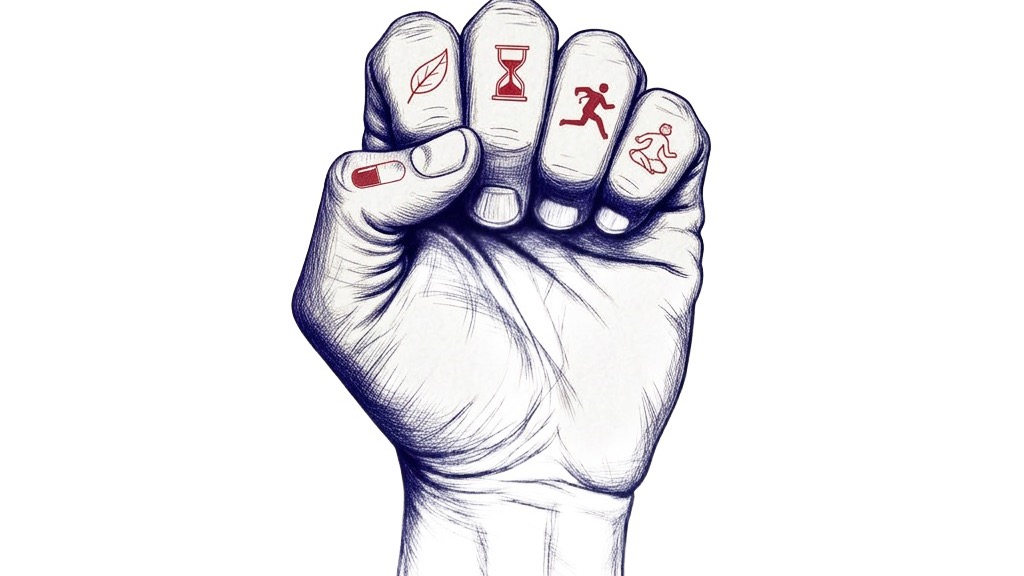
The clinical trials prove the mechanism works. What they don't tell you is how to sustain it in a normal life: a normal Indian kitchen, a normal work schedule, a normal set of habits built over years. That's the gap structured coaching programs are trying to close, and it's where BBDO's own data comes in: 180+ documented remission cases and 1,000+ people who've meaningfully reduced medication or insulin dependence, built around a five-pillar framework (Food, Fasting, Movement, Supplements, Stress). See the full breakdown of the 5-Finger Punch method.
This is program-tracked data, not a peer-reviewed clinical trial, and it's worth being direct about that distinction rather than blurring it.
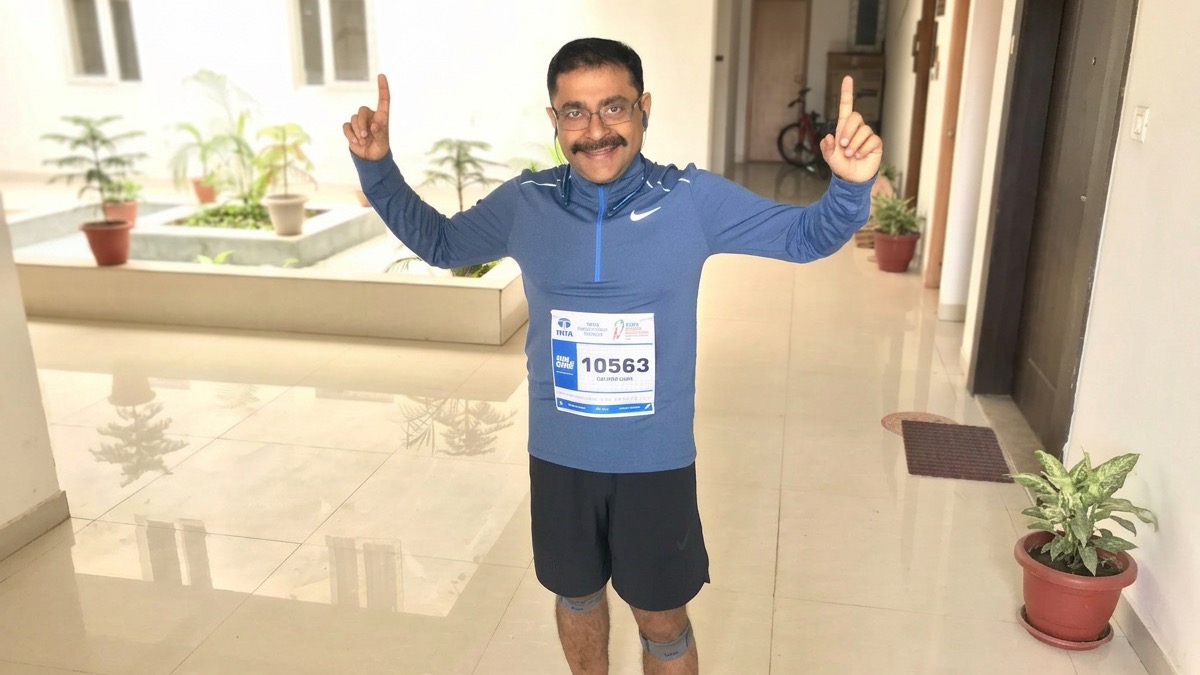
Founder Col. Gautam Guha's own story is the clearest single example of the pattern: diagnosed in 2017 at 115 kg with an HbA1c of 8.4%, told by his endocrinologist that lifelong management was the plan. Within roughly nine months of restructuring his food, fasting windows, movement and stress management, he was off medication; by the end of 2018 he'd reached 75 kg. Seven years on, he remains medication-free. That's one documented case of exactly what the DiRECT-style research describes: substantial weight loss, sustained, resulting in remission.
Three real member stories that follow the same shape, with real numbers, not composites:
Lt Col Seema Tripathi: 70 kg to 53 kg in four months.
Prasad Vedantam: a 110-unit insulin dose reduction alongside an HbA1c drop from 8.0% to 5.5%.
Muneeruddin Mohammed: insulin reduced from 240 units to 6.
What this doesn't mean
It doesn't mean stopping medication on your own. Every legitimate path to remission involves tapering medication under a treating doctor's supervision as blood sugar control genuinely improves: not before, and not without that doctor watching the numbers. This applies whether someone is working with BBDO, a clinical trial, or nobody at all. What to actually ask your doctor before starting covers this in full.
It doesn't apply to Type 1 diabetes. Type 1 is an autoimmune condition where the body stops producing insulin. It is not reversible through diet, weight loss or lifestyle change, and nothing in this article or in BBDO's program applies to it. Type 1 vs. Type 2, explained.
It isn't guaranteed, and it isn't instant. The clinical literature is consistent that remission is more likely with earlier intervention and harder to achieve the longer someone has had the disease. BBDO's own FAQ puts full reversal at a typical 6 to 18 month timeline, which tracks with how the clinical research describes the process. This is a rebuild, not a quick fix.
Sources
Lean MEJ et al. Primary care-led weight management for remission of type 2 diabetes (DiRECT), The Lancet, 2018. Riddle MC et al. Consensus report: definition and interpretation of remission in type 2 diabetes, Diabetes Care, 2021.
Get the BBDO app the day it launches.