The 5-Finger Punch Method, Explained
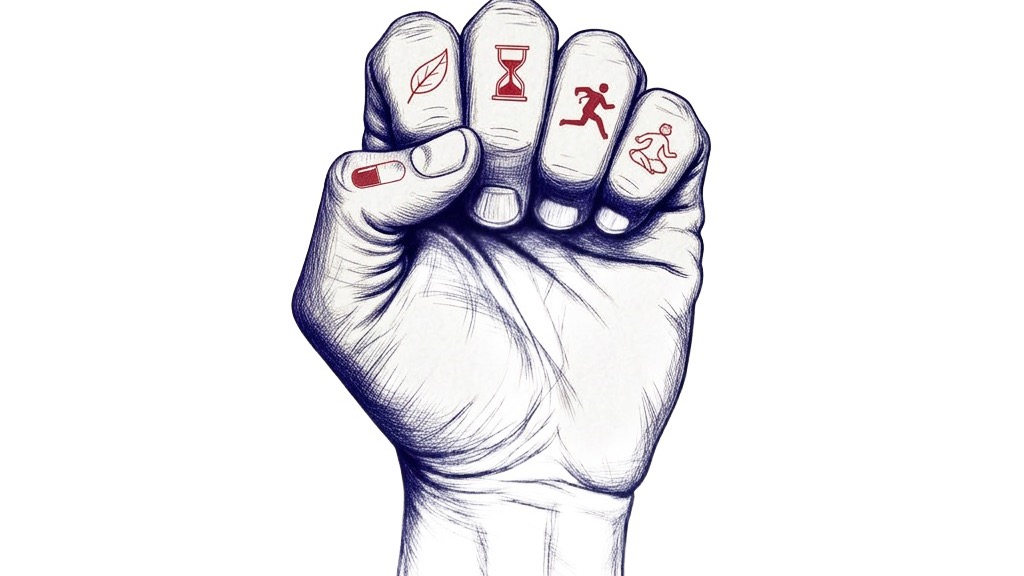
The 5-Finger Punch, pillar by pillar: Food, Fasting, Movement, Supplements, Stress, and why all five matter together, not one at a time.
In this article
- 01Why five, and why together
- 021. Food: your plate is the dose
- 032. Fasting: give your pancreas eight hours off
- 043. Movement: skeletal muscle is the largest glucose sink in your body
- 054. Supplements: closing the gaps food alone can't
- 065. Stress: cortisol is half the loop
- 07Alone they help. Together, they transform.
The 5-Finger Punch is the five-pillar protocol behind Bye Bye Diabetes & Obesity: Food, Fasting, Movement, Supplements, Stress. Each one moves the needle on its own. Together, they address insulin resistance from five directions at once, which is why the results tend to hold rather than fade after a few months.
I didn't invent these five things. Doctors have recommended versions of most of them for decades. What I did was live inside all five at once, for years, and figure out which specific version of each one actually works for an Indian body eating Indian food under Indian stress. That's the part nobody had written down before I did.
"This is not medical advice, and BBDO is not a clinic. It's a coaching program: a tribe, not a hospital. If you're on medication for Type 2 diabetes, don't change or stop anything without your treating doctor. What follows explains why each pillar works, not a prescription to follow unsupervised."
Why five, and why together
Diets fix one variable. A gym programme fixes another. Insulin resistance isn't one problem. It's five compounding ones, and fixing only one of them is like bailing a boat with one hole plugged while four others still leak. Food alone helps. Food plus fasting helps more. All five together is what actually shifted my HbA1c from 8.4% to where it sits today.
Here's each pillar, one at a time.
1. Food: your plate is the dose
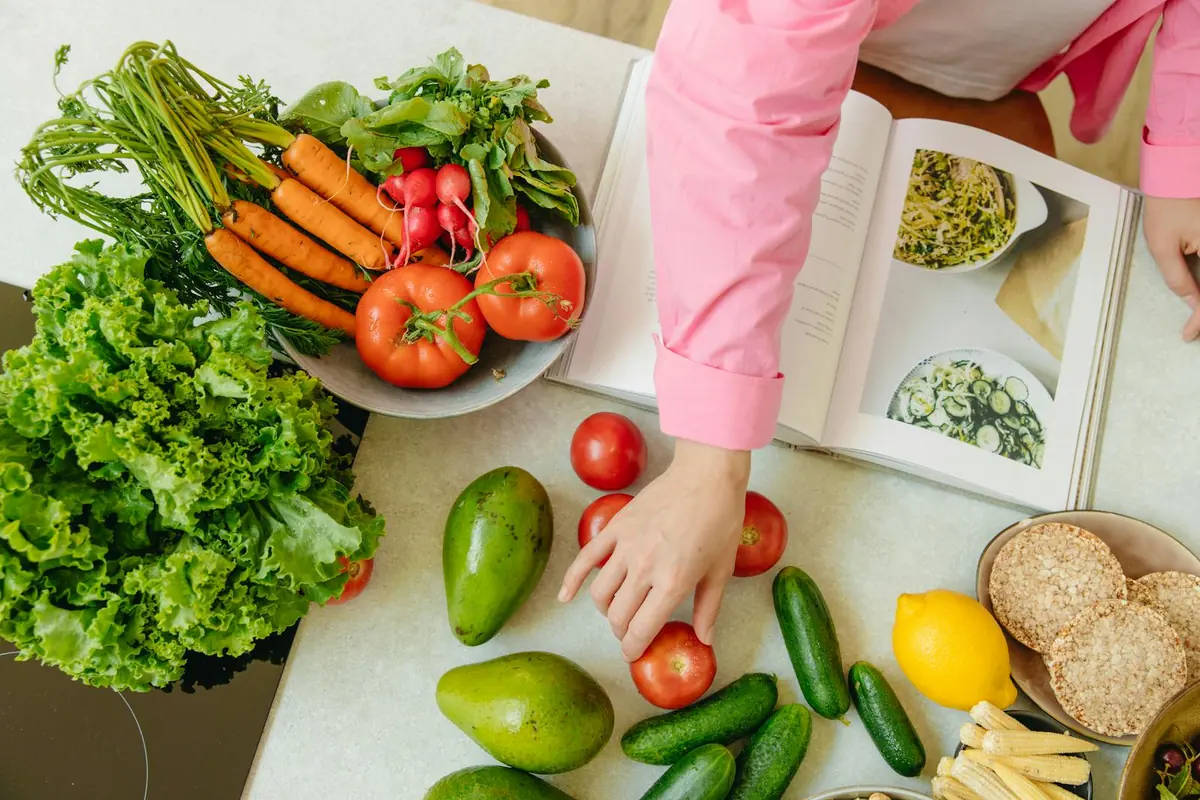
The single biggest lever, and the one most diet advice gets wrong for Indian households by telling people to abandon rice and roti entirely. You don't have to.
What actually matters is what a meal does to your blood glucose curve: how fast it spikes and how far it climbs. Refined carbohydrates (polished white rice, refined wheat flour) break down into glucose quickly, which asks your pancreas for a large, sudden insulin response. Do that meal after meal, day after day, and the cells that are supposed to respond to insulin start tuning it out. That's insulin resistance in a sentence.
The fix isn't giving up rice. It's changing what's on the plate around it. Cauli-zeera rice in place of polished white rice. Millet and almond rotis in place of refined wheat. Built around essential proteins (dal, paneer, eggs, fish, chicken, tofu) and essential fats (ghee, cold-pressed oils, nuts, seeds). Protein and fat slow down how fast a meal turns into blood glucose. Fibre does the same. The plate stays recognisably Indian. The glucose curve stops looking like a spike. More in Indian diet for diabetes reversal.
2. Fasting: give your pancreas eight hours off
Every time you eat, your pancreas releases insulin. Eat constantly through a 14- or 16-hour waking window, and your pancreas never gets a break. It's in a near-constant state of insulin release, which is part of what wears down insulin sensitivity over time.
A structured overnight fasting window (closing the kitchen earlier, opening it later) gives your body real, extended stretches with no insulin demand at all. That's not a fad. It's rest, applied to an organ that doesn't otherwise get any. The consistency matters more than the extremes: the same window, most days, rather than an occasional extreme fast followed by normal grazing. The Fasting pillar lays out how BBDO builds up to it step by step.
3. Movement: skeletal muscle is the largest glucose sink in your body
Muscle tissue is where most of the glucose in your bloodstream actually gets used. When a muscle contracts (walking, climbing stairs, lifting something heavy) it pulls glucose out of your blood to fuel that contraction, through pathways that don't need much insulin to work at all. More muscle, used more often, means more places for glucose to go besides your bloodstream.
This is why BBDO doesn't prescribe a single workout. A 46-year-old coming back from being out of breath on one flight of stairs needs a different starting point than someone already active. What matters is consistent daily movement (walking counts, and counts more than people think), building toward some resistance work as capacity returns, because muscle you build keeps working for you even on the days you don't train it.
4. Supplements: closing the gaps food alone can't
This pillar gets misunderstood the fastest, so let's be precise about what it is and isn't. It is not a replacement for the first three pillars, and it's not a shortcut around them. It's about closing specific micronutrient gaps that are common in people with insulin resistance and that can quietly work against everything else you're doing if left unaddressed. The Supplements pillar covers what that means in practice.
5. Stress: cortisol is half the loop
This is the pillar people skip, and it's often the one holding the other four back. Chronic stress keeps cortisol elevated. Elevated cortisol pushes blood glucose up directly and makes cells more resistant to insulin: your body's ancient "danger, release fuel" response, firing constantly instead of only when you're actually in danger. Poor sleep does something similar: even a few nights of short, broken sleep measurably worsens glucose tolerance and appetite regulation the next day.
You can eat perfectly, fast on schedule, and train hard, and still stall out if cortisol stays high around the clock. Sleep, breath and calm aren't wellness extras bolted onto the real work. They're the fifth finger. Without it, the other four don't close into a fist.
Alone they help. Together, they transform.
That line isn't a slogan I picked because it sounds good. It's what I watched happen in my own body over nine months, and it's what I've now watched happen in 180+ documented cases since. One pillar moves one number. Five pillars, practised daily and measured weekly, change the trajectory, not for a season but for good.
If you're managing Type 2 diabetes and want to see whether this applies to your numbers, start your reversal. If you're not sure whether Type 2 is even the right category for what you're dealing with, read Type 1 vs. Type 2 Diabetes: Why BBDO Only Treats One first.
Get the BBDO app the day it launches.