
You don't need a gym. You need to move - daily, joyfully, without excuse.
Movement.
Skeletal muscle is the largest glucose sink in your body.Use it.
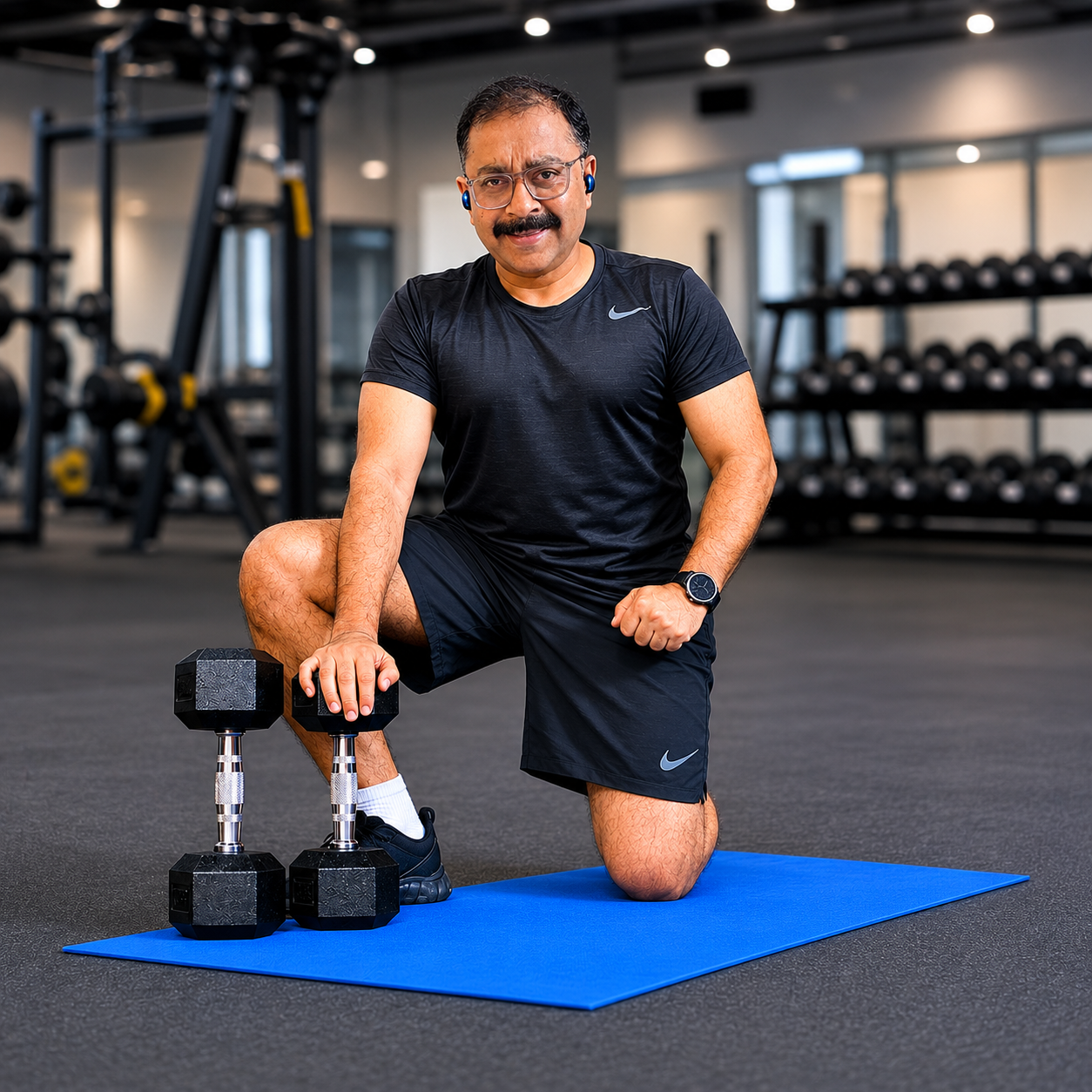
The benefits,stacked.
- Flattens glucose swings and cravings
- Shrinks visceral fat, heals liver
- Rebuilds muscle, boosts metabolism
- Improves sleep, mood and focus
- Strengthens bones for healthy aging
- Lowers long-term cardiovascular risk
The post-meal movement protocol
Turn on GLUT-4 and move glucose into muscle—without needing extra insulin.
- 5 minutes of seated soleus push-ups immediately after eating.
- Follow with a 10-minute walk within 30 minutes of the meal.
- Walk at a pace where you can talk, not sing.
- Three short walks outperform one long workout.
- Rain or shine, indoors or outdoors—the movement matters.
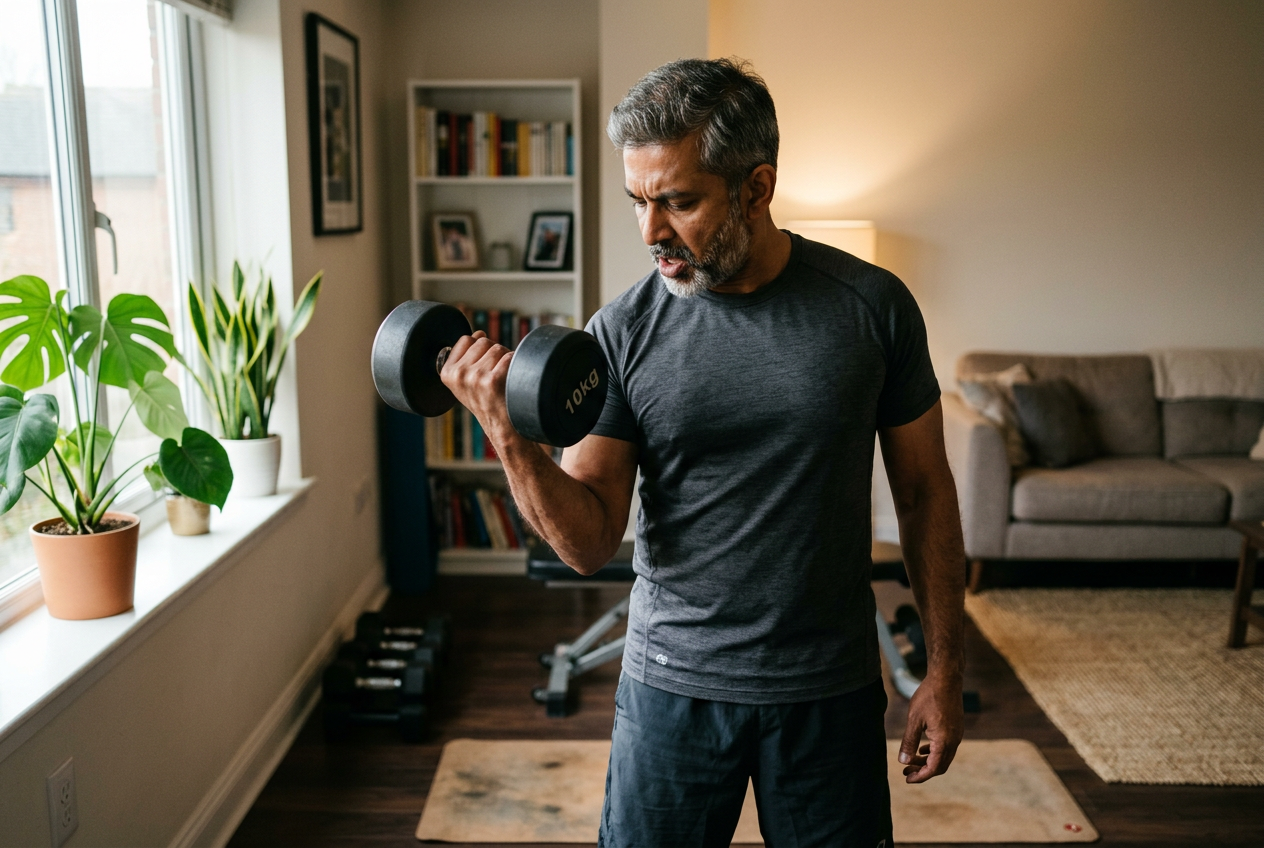
Strength training: the lever everyone skips
Cardio helps manage glucose today. Strength training preserves and rebuilds muscle, improving insulin sensitivity and supporting better glucose control 24/7—even while you sleep.
The minimum effective programme
2–3 sessions of 20-30 minutes per week is enough. Build your routine around compound movements like push-ups and squats. More muscle engaged today means better glucose control tomorrow.
Yoga and mobility - the third leg
Twenty minutes of yoga, three times a week, reduces stress, improves vagal tone, and keeps you mobile enough to walk and strength train consistently. The yoga trifecta: Move with Surya Namaskar, digest with Vajrasana, unwind with pranayama.
"You can't out-walk a poor diet. And you can't out-diet a sedentary life. Nutrition and movement are two halves of the same medicine."
Start tomorrow
Tomorrow morning: a 10-minute walk after breakfast. Tomorrow evening: 10 wall push-ups, 10 chair squats, and a 30-second plank. That's it. If this feels too easy, calibrate the reps, intensity, and progression to match your strength and metabolism. Give it 7 days. Your glucose meter - and your body - both will thank you.
Get the BBDO app the day it launches.
Questions about Movement.
The most common questions members ask about the Movement pillar.
No. The Movement pillar is built around what you can do daily without equipment - walking after meals, bodyweight strength, mobility and Zone-2 cardio. A gym helps later but is never the entry point.
A 10–15 minute walk within 30 minutes of finishing each main meal. CGM data shows post-meal glucose drops by 20–30% from this habit alone.
2–3 sessions of 20-30 minutes per week is enough. Build your routine around compound movements like push-ups and squats. More muscle engaged today means better glucose control tomorrow.
Yes. Every movement is regressed and progressed for joint limitations. Most members with chronic knee or lumbar pain report improvement within 60 days as inflammation drops and core strength returns.
Zone 2 is a steady aerobic effort where you can comfortably hold a conversation. It improves mitochondrial health—the body's fat-burning engines—and is one of the most under-used tools for improving insulin sensitivity and metabolic health. 3 x 30 minutes a week is the sweet spot.
One fist.Five disciplines.



Pick the level of support you need.
Pair this pillar with the level of support that fits you. Self-guided foundations, weekly tracking, or fully personalized reversal care.
Foundation Care
- General BBDO 5-Punch tracking
- Full Health education video library
- Curated Food & lifestyle recommendations
- App access & community
- Health milestone badges
- Email support
Active Health Tracker
- Everything in Foundation — plus —
- Weekly Expert connect & check-ins
- Daily Sugar logging (Glucometer / CGM)
- Health metric tracking dashboard
- In-app chat support
- Supplement & booster guidance
Intensive Reversal Care
- Everything in Active — plus —
- Personalized BBDO 5-Punch plan
- Unlimited Expert consultations
- Priority WhatsApp & escalation support
- 1:1 nutrition & meal planning
- Continuous Glucose Monitor support
- Quarterly diagnostic review
All prices in INR · Cancel anytime · GST included