Indian Diet for Diabetes Reversal: Rice, Roti, and What Actually Works
You don't have to give up rice and roti. Here's the Indian diet approach to diabetes reversal that actually works: swaps, pairing and portions.

You don't have to give up rice and roti to work toward diabetes reversal. What actually moves the needle is portion, pairing, and a handful of specific swaps, not eliminating the foods that built every meal you've ever eaten.
That's the short version. Here's what it looks like on an actual plate.
Why "just cut carbs" is the wrong instruction for an Indian kitchen
Most generic diabetes diet advice online wasn't written with an Indian plate in mind. "Cut carbs" as a blanket instruction either gets ignored, because rice and roti are load-bearing parts of most Indian meals, not optional extras, or it gets followed too strictly and becomes unsustainable within a few weeks. Neither outcome helps blood sugar in the long run.
The more useful question isn't "rice or no rice." It's: what's on the plate alongside it, and how much of it is there? Research on diabetes reversal consistently points to the same underlying principle regardless of cuisine: pairing carbohydrates with protein, fat and fibre slows the glucose spike that a carb eaten alone produces. An Indian plate can do this without abandoning the foods it's built around.
The swaps that matter
Rice. Polished white rice digests fast and spikes glucose quickly. A swap like cauliflower rice blended with a portion of regular rice (cauli-zeera rice) cuts the glycaemic load of the dish without removing rice from the plate entirely. The goal is a smaller glucose spike, not a rice-free life.
Roti. Standard wheat roti made from refined flour behaves similarly to white rice: fast-digesting, quick spike. Millet-based or almond-flour rotis digest more slowly and add fibre the refined version doesn't have, while still functioning as roti at the table.
Packaged "diabetic" foods. Worth naming directly: many products marketed as diabetic-friendly are still highly processed, and processing itself, not just sugar content, affects how fast a food raises blood sugar. Real, whole food generally does more for glucose control than a package with "diabetic" on the label.
Build every meal around two anchors
Protein. Dal, paneer, eggs, fish, chicken, tofu. Protein slows digestion enough to flatten a glucose spike. A meal with rice or roti and no protein digests fast. The same meal with a serving of dal or paneer alongside it digests slower.
Fat. Ghee, cold-pressed oils, nuts, seeds. Like protein, fat slows gastric emptying, which slows how quickly glucose from the meal's carbohydrates hits the bloodstream. This isn't a low-fat approach. It's a fat-as-tool approach, using the right kind deliberately rather than avoiding it.
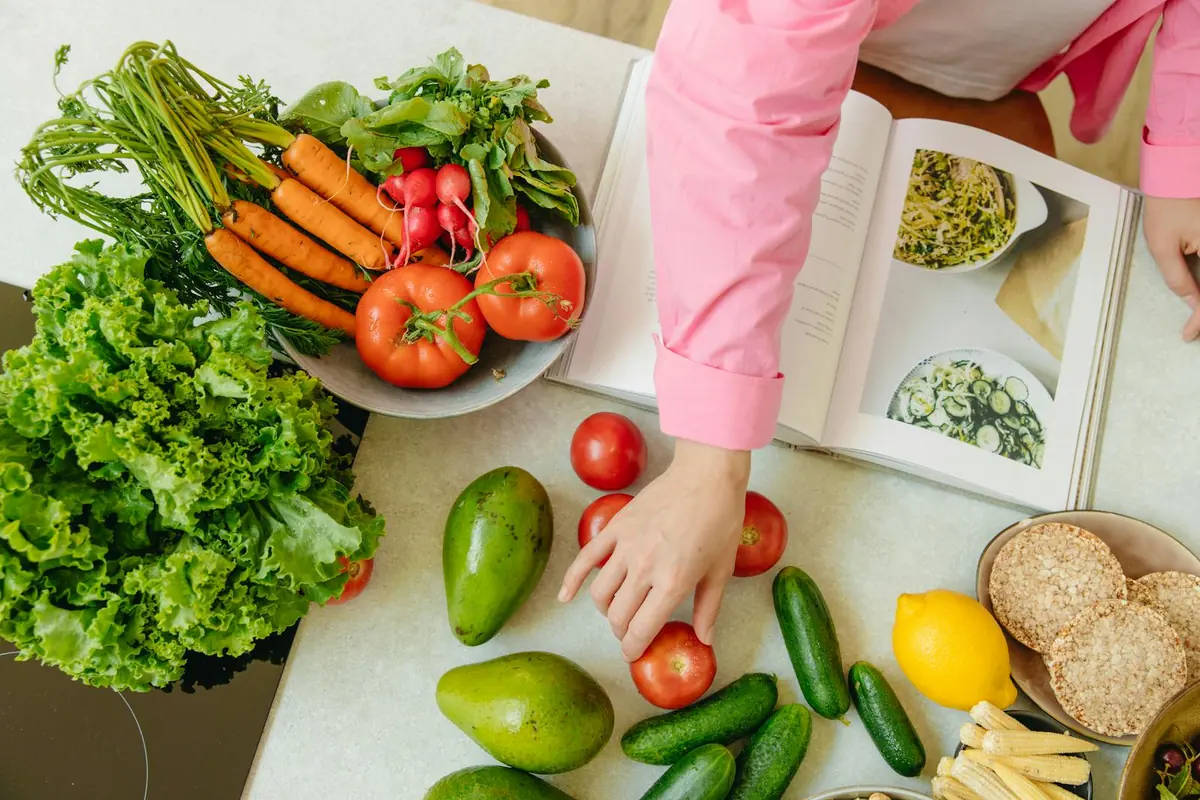
The plate stays unmistakably Indian: rice or roti, a protein anchor, a fat anchor, and vegetables, in reasonable portions, most meals. Not a diet that reads like it was built for someone else's kitchen.
Where portion still matters
Swaps and pairing reduce the size of a glucose spike. They don't eliminate the value of watching how much rice or roti is actually on the plate. A large portion of even the better swaps, eaten without a protein or fat anchor alongside it, still spikes higher than a moderate portion eaten with one. Portion and pairing work together, not instead of each other. The Food pillar explains BBDO's half-quarter-quarter plate rule.
A day's structure, not a rigid meal plan
Every body and every kitchen is different, which is why BBDO builds a personalised plate for each member rather than handing out one fixed meal plan. As a general structure, though: protein at breakfast (eggs, paneer, or a dal-based option) rather than a purely carb-heavy start, a main meal built around the rice-or-roti-plus-protein-plus-fat pattern above, and an evening meal that follows the same logic rather than defaulting to something lighter-but-more-refined out of habit.
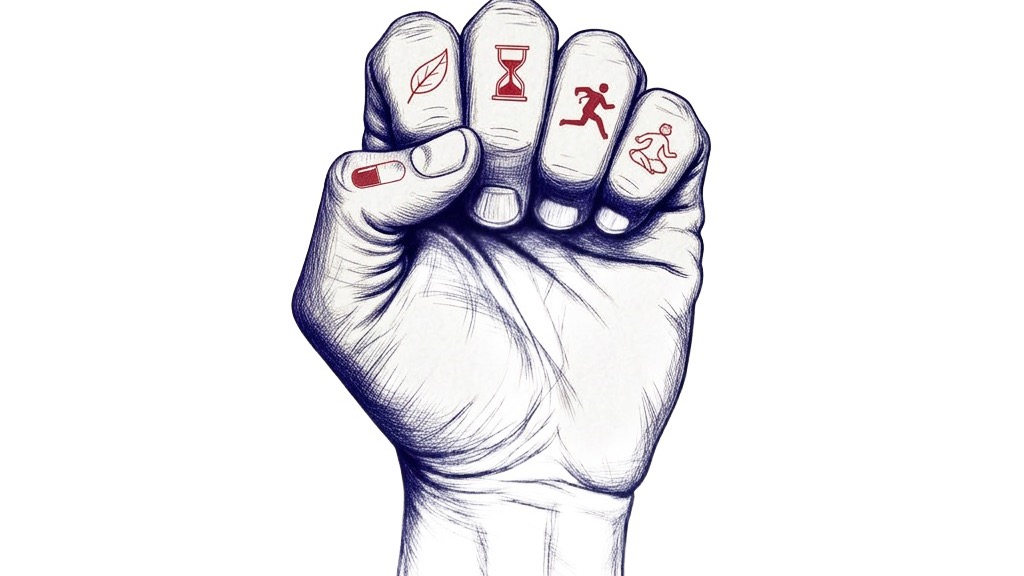
Related: Can overnight rice improve your glucose response? · the 5-Finger Punch method.
Get the BBDO app the day it launches.