Stairs or Squats After Meals? Two Simple Moves That Can Tame Blood Sugar
Two to three minutes of movement after eating can blunt post-meal glucose spikes. Here is how stair climbing and body-weight squats turn your legs into glucose sponges.
Why Moving After Meals Matters
One of the easiest ways to reduce post-meal blood sugar spikes is to move your muscles soon after eating. When large muscles contract, they absorb glucose from the bloodstream, often with less dependence on insulin. Even 2–3 minutes of movement after a meal can significantly improve glucose control, making it a practical habit for people with prediabetes, Type 2 diabetes, obesity, or insulin resistance.
Stair Climbing: A Powerful Glucose Burner
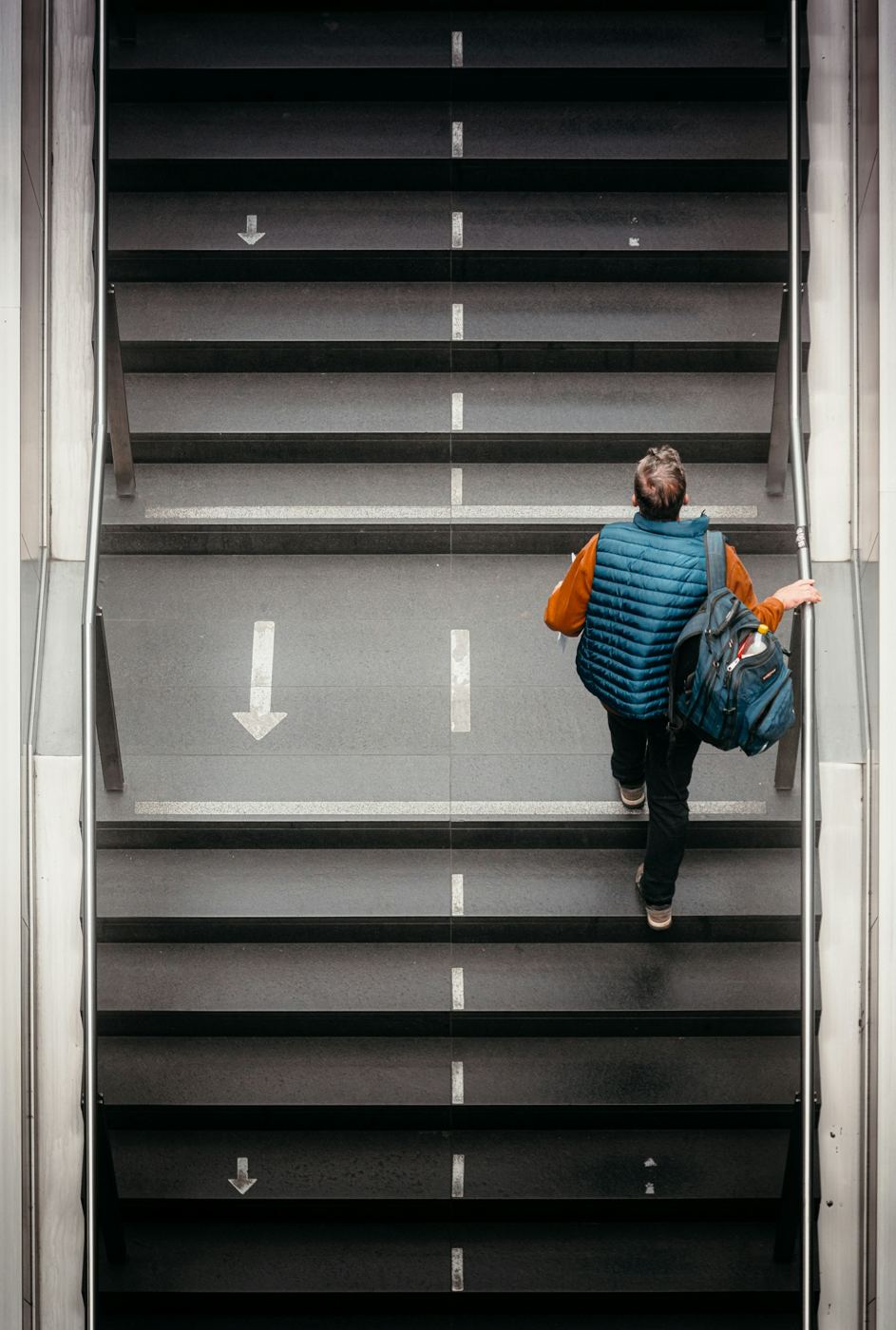
If you have access to a safe staircase, climbing stairs is one of the most effective “exercise snacks.” It recruits the glutes, quadriceps, hamstrings, and calves while working against gravity, rapidly raising your heart rate. This combination of resistance and aerobic effort helps muscles use glucose quickly and can blunt post-meal sugar spikes. Descend carefully, as going downstairs places greater stress on the knees. Where possible, descend via a lift, and then climb the stairs again.
Squats: The Anywhere Alternative
No stairs? No problem. Body-weight squats activate the largest muscles in your legs, turning them into powerful glucose “sponges.” They require no equipment and can be performed at home or in the office. Short sets of 8–10 squats, repeated a few times over several minutes after eating, can provide meaningful metabolic benefits. Those who cannot do a deep squat can do half squats or chair squats, and increase the reps.
BBDO Recommendations
- Move within 10–15 minutes after meals.
- Choose stairs if they are safe and accessible.
- Choose squats if stairs are unavailable or you have knee or balance limitations.
- Start gradually and prioritise consistency over intensity.
Always remember, small daily habits often deliver the biggest long-term improvements in metabolic health.
Get the BBDO app the day it launches.