GLP-1 Drugs, Semaglutide and the Risk of Sudden Vision Loss: Should You Be Worried?
Could a popular weight-loss injection affect your vision? Discover what current research says about Semaglutide, NAION, and what every patient should know before starting treatment.
GLP-1 medications such as Semaglutide (Ozempic®, Wegovy®, Rybelsus®) have transformed the treatment of Type 2 diabetes and obesity. They help lower blood sugar, reduce appetite and promote weight loss. For many people, they have been life-changing.
However, over the last two years, another question has emerged:
Can these medicines increase the risk of sudden vision loss?
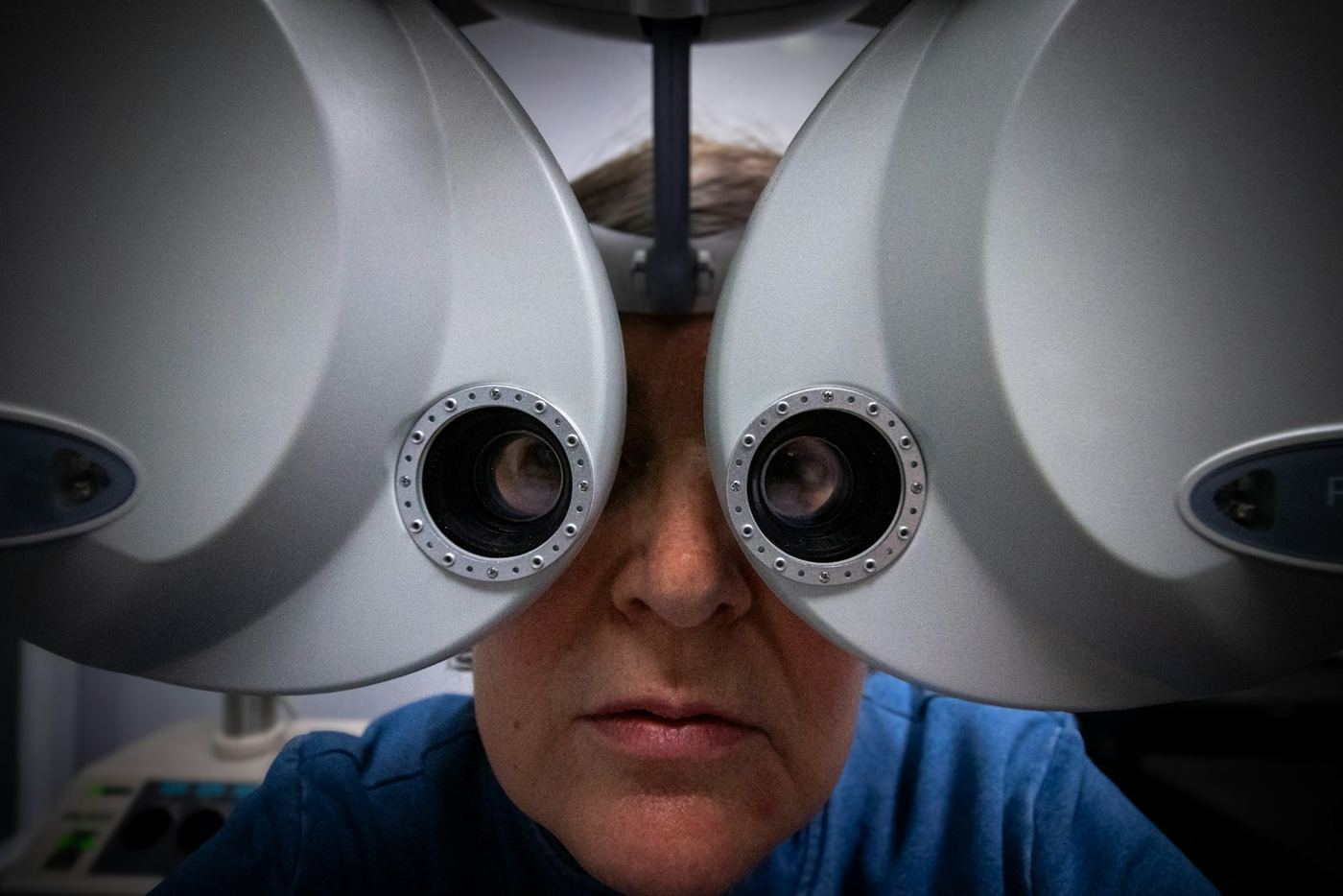
Recent research has raised concerns about a rare eye condition called Non-Arteritic Anterior Ischemic Optic Neuropathy (NAION). Let's understand what we know—and equally important—what we still don't know.
What is NAION?
Think of the optic nerve as the electrical cable connecting your eye to your brain.
NAION occurs when the blood supply to a part of this nerve is suddenly reduced. This can damage the nerve permanently.
People usually notice:
- Sudden, painless loss of vision in one eye
- Blurred or dim vision
- Reduced colour vision
- Missing portions of the visual field
Unfortunately, there is no proven treatment that can reliably restore vision once significant damage has occurred.
The good news is that NAION is uncommon.
Why are GLP-1 drugs being discussed?
In 2024, researchers from Harvard reported that people taking semaglutide appeared to develop NAION more often than patients taking other diabetes medicines.
This understandably attracted worldwide attention.
Since then, several larger studies have tried to answer the same question.
What do the newer studies show?
The overall picture is becoming clearer. Most recent studies suggest there may be an association, but they do not prove that semaglutide directly causes NAION.
Researchers have found that:
- The risk appears to be very small in absolute numbers.
- People with diabetes already have a higher baseline risk of NAION.
- Other health conditions may explain part of the increased risk.
In other words:
A rare condition may become slightly more likely in people who are already at higher risk. That is very different from saying the medicine causes blindness.
"Every new medical finding deserves attention - not alarm. The best decisions are made when science is interpreted with balance, perspective, and the understanding that lifestyle remains the foundation of long-term metabolic health."
Who is already at risk of NAION?
Several factors increase the chance of developing NAION, irrespective of medication.
These include:
- Type 2 diabetes
- High blood pressure
- High cholesterol
- Obesity
- Smoking
- Obstructive sleep apnoea
- Age above 50 years
Notice something interesting?
These are largely the same people who are commonly prescribed GLP-1 medications.
This makes it difficult for researchers to separate the effects of the drug from the effects of the underlying disease itself.
Should people stop taking Semaglutide?
No, not without speaking to their doctor.
For many individuals, the benefits of GLP-1 therapy are substantial:
- Better blood sugar control
- Significant weight loss
- Reduced cardiovascular risk in selected patients
- Lower risk of kidney disease progression in some individuals
Stopping treatment suddenly may do more harm than good. Instead, decisions should always be individualized.
Who should be extra cautious?
If you are taking a GLP-1 medication, discuss your individual risk with your doctor, especially if you:
- Have already suffered NAION in one eye
- Have severe diabetic eye disease
- Have uncontrolled hypertension
- Have obstructive sleep apnoea
- Experience sudden changes in vision
Any sudden loss of vision is a medical emergency and requires immediate assessment by an ophthalmologist. Do not wait to see if it improves.
A lesson beyond Semaglutide
This story teaches us something much bigger.
No medicine is completely free of side effects.
Every treatment involves balancing:
- Benefits
- Risks
- Individual health status
- Careful monitoring
Semaglutide is no exception.
The medicine has helped millions of people improve their metabolic health, but ongoing research reminds us that we should remain informed, vigilant and avoid viewing any drug as completely risk-free.
The BBDO Perspective
At BBDO, we believe that medication has an important role - but it should never become the entire treatment plan.
The strongest long-term strategy remains improving the root causes of insulin resistance through:
- Nutritious whole foods
- Sustainable weight loss
- Regular physical activity
- Strength training
- Better sleep
- Stress management
- Regular medical follow-up
When lifestyle improves, many people require lower doses of medication—and some, under medical supervision, may even reduce or discontinue certain drugs.
That is always a safer and more sustainable path than depending on medication alone.
Bottom Line
Current evidence suggests that semaglutide may be associated with a very small increase in the risk of NAION, but a direct cause-and-effect relationship has not yet been established.
For most people who genuinely need these medications, the benefits continue to outweigh this rare potential risk.
The key is simple:
Stay informed. Don't panic. Report any sudden change in vision immediately. And remember that no medicine can replace a healthy lifestyle.
Get the BBDO app the day it launches.