Reading your CGM: spikes, dips and the area-under-the-curve.
A complete primer on how to read continuous glucose data without panicking - the four numbers that matter, the patterns that don't, and how to use a CGM as a coach not a critic.
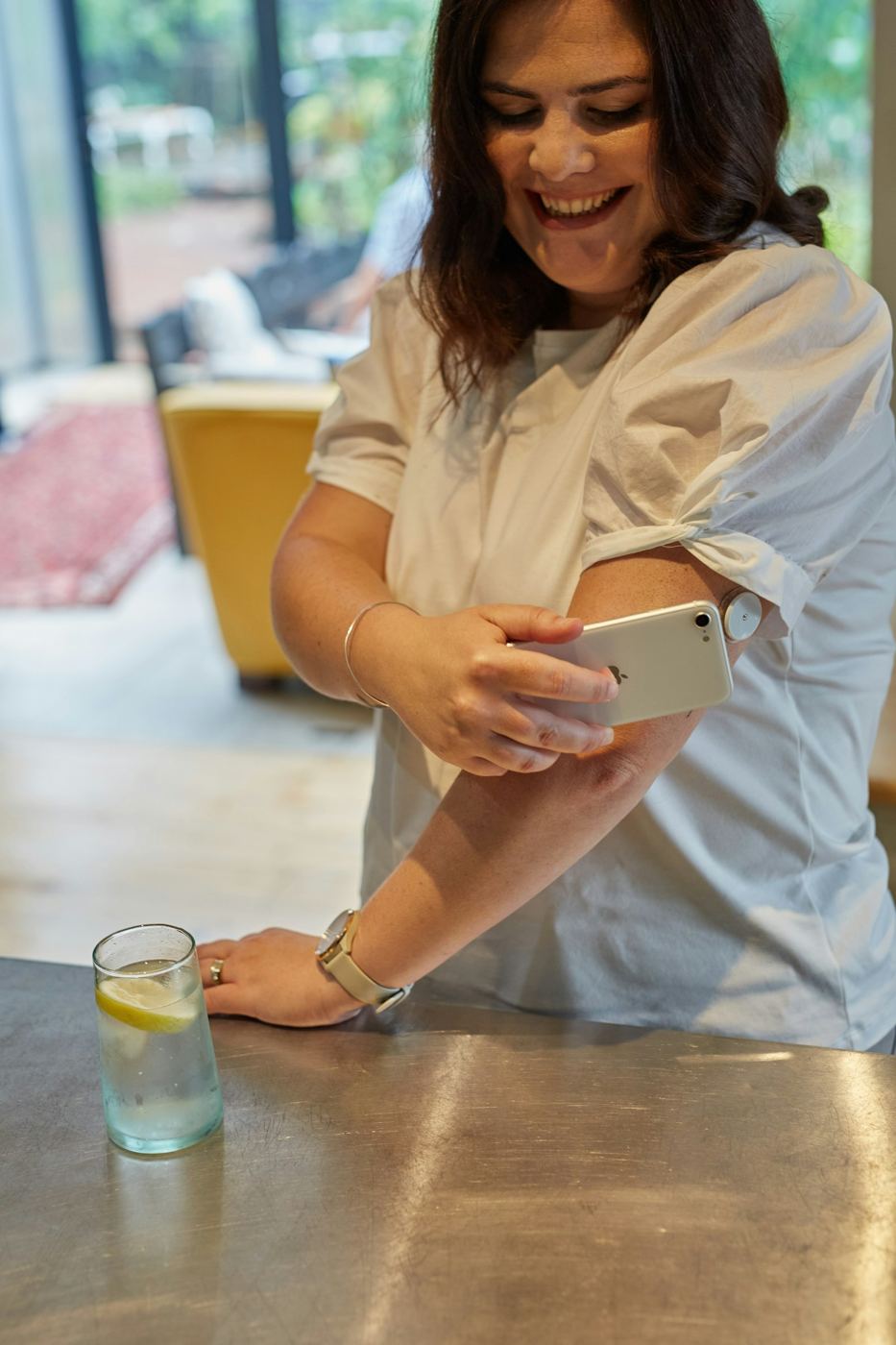
A CGM is a window. You do not redesign your life every time it shows a spike - you learn the patterns and change the inputs. This is the single most common mistake new CGM users make: they treat the meter as a verdict rather than a feedback signal.
The four numbers that matter
- Time in Range (70–180 mg/dL): aim for >70%. This is the single best predictor of long-term outcome.
- Mean glucose: target <140 mg/dL for a reversal trajectory.
- Coefficient of variation: <36%. Lower means flatter curves and steadier energy.
- Post-meal peak: <160 mg/dL within two hours of eating.

What a healthy curve looks like
A gentle hill, not a spike. It rises 30–45 mg/dL above your baseline, peaks within 60 minutes, and is back to baseline by 120 minutes. If it stays elevated past two hours, the meal was wrong for you - not bad in absolute terms, just wrong for your metabolism today.
Common patterns and what they mean
The double-peak
Glucose spikes, drops, then spikes again 90 minutes later. Almost always means a high-fat, high-carb meal (like biryani or pizza). The fat slowed gastric emptying; the second wave of carb arrived an hour later.
The slow climber
A flat plateau at 150–170 mg/dL for three or four hours. Usually a high-fibre, complex-carb meal where absorption is slow but volume was too large. Smaller portion next time.
The dawn phenomenon
Glucose climbs from 4 am to 7 am even though you have not eaten. This is cortisol and growth hormone doing their morning job. Walk for ten minutes within thirty minutes of waking and the curve flattens.
The Somogyi rebound
Low overnight followed by a high morning. Often happens to insulin users with too much basal. Always discuss with your endocrinologist before adjusting.

Don't panic over single readings
Glucose moves with sleep, stress, hydration, hormones, even what time you ate the night before. Look at trends over 7-day windows, not single dots. A spike to 180 once a week is noise. A spike to 180 every Tuesday after the team lunch is signal.
How to run a 14-day BBDO experiment
- Days 1–3: baseline. Eat normally. Do not change anything. Observe.
- Days 4–7: change one variable - eating order. Salad → protein → carb. Observe.
- Days 8–10: add a second variable - 10-minute post-meal walk. Observe.
- Days 11–14: add a third - last meal by 7 pm. Observe.
Most members find their Time in Range jumps from ~50% on day 3 to >80% by day 14 - without any medication change.
"A CGM does not give you discipline. It gives you data. Discipline is what you build with the data."
When you no longer need the CGM
When you can predict the curve before it draws itself. Most members hit that point in 8–12 weeks. After that, a two-week CGM every quarter is enough to keep the pattern honest.
Get the BBDO app the day it launches.