Glucagon Resistance — Meet the Other Side of Diabetes
Insulin resistance gets all the attention, but glucagon is the overlooked partner in metabolic dysfunction. Col Gautam Guha explains the liver–alpha cell axis and how to restore healthier metabolic signalling.
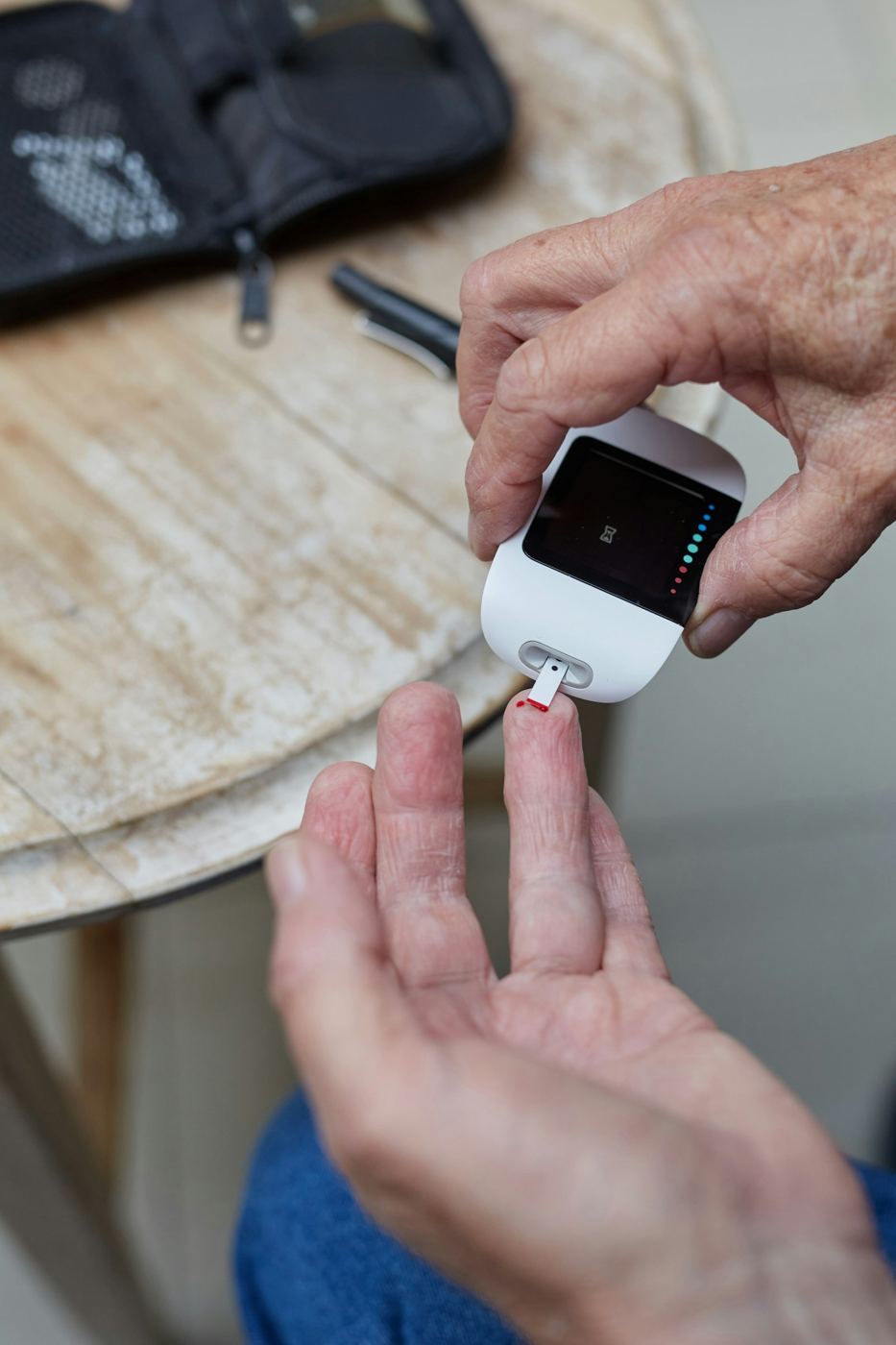
The overlooked partner in metabolic dysfunction.
When we talk about Type 2 diabetes, insulin resistance usually gets all the attention. And rightly so. When our muscles, liver and fat cells become less responsive to insulin, the pancreas compensates by producing more of it. Over time, this persistent hyperinsulinemia contributes to worsening metabolic dysfunction.
But there is another hormone that deserves equal attention: glucagon.
Insulin and glucagon work as a metabolic partnership. Insulin generally signals the body to store and use fuel, while glucagon helps mobilise stored fuel and maintain blood glucose, particularly between meals and during fasting.
When this delicate balance is disturbed, glucose regulation becomes increasingly difficult. One part of this story is glucagon resistance, when the liver becomes less responsive to glucagon's signals.
The Liver – Alpha Cell Conversation
Glucagon is produced by the pancreatic alpha cells (α-cells). One of its major targets is the liver, where it influences glucose production, fatty-acid metabolism and amino-acid handling.
The relationship is particularly interesting in a protein rich meal. Dietary protein supplies amino acids. Some of these stimulate the pancreatic α-cells to release glucagon. Glucagon then signals the liver to process those amino acids and handle their nitrogen appropriately. As amino-acid levels fall, the stimulus to the α-cells changes.
This is a finely tuned feedback system known as the 'liver-α-cell axis', also called LACA.
But metabolic dysfunction can disturb this conversation. With fatty liver and hepatic insulin resistance, the liver may become less responsive to glucagon. This can alter amino-acid metabolism and contribute to inappropriate glucagon secretion. In other words, the liver and pancreas can get caught in a metabolic feedback loop. This is one reason the liver is not simply a passive victim of diabetes. It is a central player in the disease.
When Insulin and Glucagon Both Lose Their Balance
This is where the connection between insulin resistance and glucagon resistance becomes important. Imagine insulin telling the liver: “We have enough glucose. Slow down production.”
Yet glucagon signalling remains inappropriately active, while the liver itself is becoming resistant to hormonal instructions. The result can be continued or excessive hepatic glucose output, contributing to elevated blood glucose — particularly during fasting.
This does not mean glucagon is a “bad hormone”. We need glucagon. It protects us from hypoglycaemia and plays an essential role in fuel mobilisation. The problem is disordered glucagon signalling within a metabolically unhealthy system.
"Type 2 diabetes is not simply a story of “too little insulin” or “too much sugar”. It is increasingly a story of disrupted metabolic communication."
What Raises Blood Sugar Besides Food?
Food is only one factor that influences blood sugar. Hormonal signals such as glucagon can prompt the liver to release glucose into the bloodstream, while insulin resistance can make it harder for the body to manage that glucose effectively. Stress, poor sleep and reduced physical activity can also influence glucose regulation. Understanding these factors helps explain why blood sugar can remain elevated even when food intake appears controlled.
The Pancreas Is More Than an Insulin Factory
Inside the pancreas, α-cells and β-cells communicate continuously. Insulin, glucagon, GABA, somatostatin and other local signals help coordinate their activity. When metabolic stress persists, this delicate paracrine communication can become disturbed.
That is why it may be misleading to think of the pancreas simply as an “insulin factory” that eventually wears out. The pancreas is part of a sophisticated hormonal network involving the liver, pancreas, muscle, fat tissue and gut. And when one part of this network becomes dysfunctional, the others can be affected.
So How Do We Restore the Conversation?
There is no magic food or supplement that fixes glucagon resistance. The more rational approach is to improve the metabolic environment in which the liver and pancreas operate.
- Reduce excess liver fat. Improving body composition and reducing hepatic fat can improve liver insulin sensitivity and may help normalise abnormal glucagon responses.
- Eat adequate, high-quality protein. Protein supplies amino acids that participate in the liver-α-cell axis (LACA) feedback system. The goal is appropriate protein intake — not excessive protein.
- Reduce refined carbohydrates and excess calories. Minimising ultra-processed foods, added sugars and excessive energy intake reduces the metabolic pressure driving insulin resistance.
- Move and build muscle. Walking, aerobic activity and resistance training improve insulin sensitivity and glucose disposal. Muscle is one of the body's largest glucose-handling tissues.
- Don't underestimate sleep, stress and consistency. Metabolic health is shaped by the totality of our lifestyle — not by one meal, one supplement or one blood test.
The Bigger Picture
The next time someone says, 'Type 2 diabetes is insulin resistance,' remember that the story is more complex. Insulin and glucagon are two sides of the metabolic equation. When insulin resistance and disturbed glucagon signalling coexist, the liver can become trapped in a cycle of abnormal fuel regulation.
The encouraging message is that metabolic physiology is modifiable. Improving diet quality, reducing excess body and liver fat, moving regularly, building muscle and improving sleep can help restore healthier metabolic signalling.
So perhaps the better question isn't simply: “How do I lower my blood sugar?” It is: “How do I restore the metabolic system that controls my blood sugar?” That is the bigger conversation — and perhaps the more important one.
Get the BBDO app the day it launches.