The 10-Minute Walk That Changes Your Glucose Curve
A 10-minute walk taken within 30 minutes of a meal intercepts the glucose spike while it is happening. Here is the mechanism, and how to build the habit.
Why a Walk After Eating Matters More Than a Walk Any Other Time
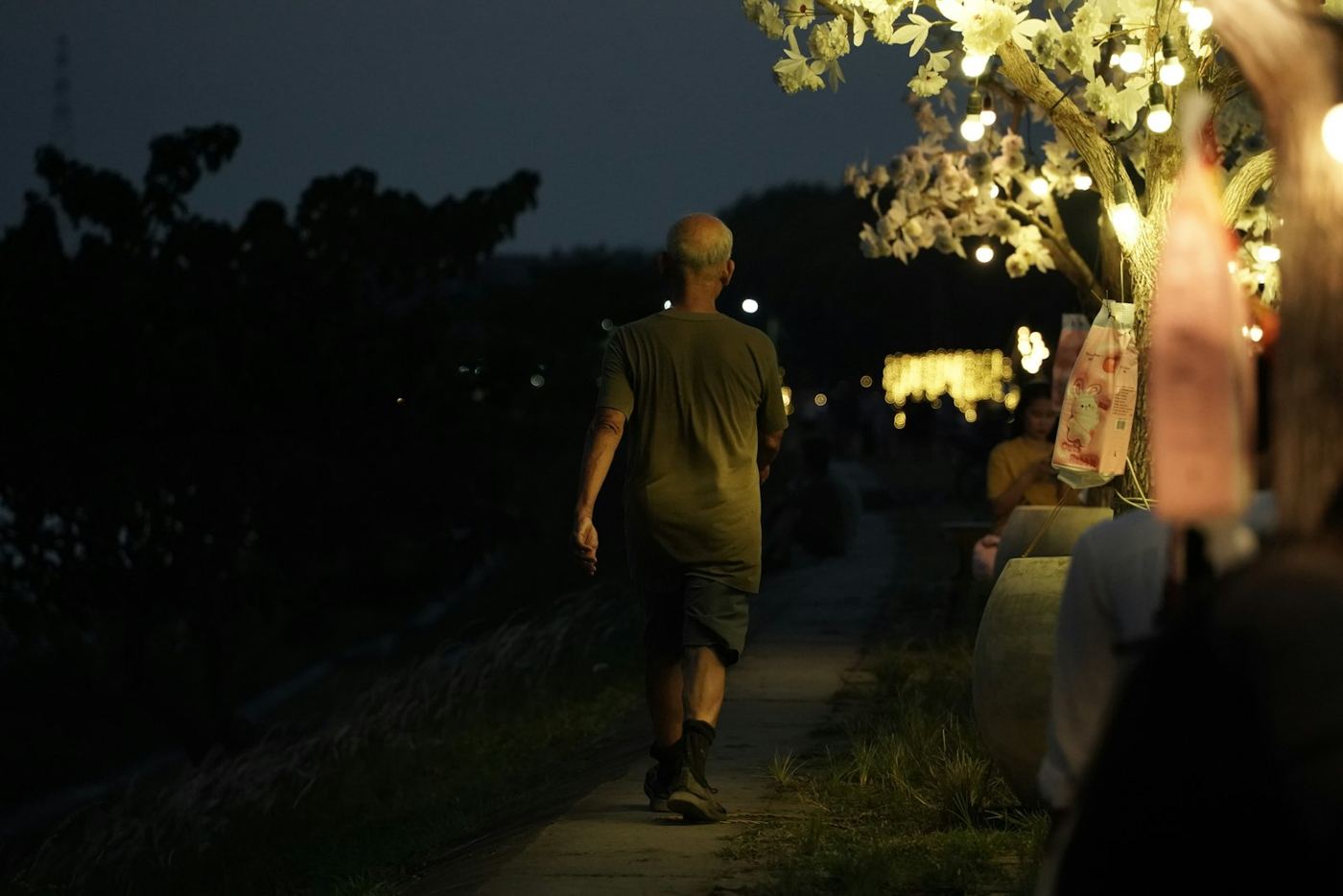
Timing changes everything here. This is the core of the 10 minute walk blood sugar effect: a 10-minute walk taken within 30 minutes of finishing a meal intercepts the glucose spike while it's actually happening, rather than burning calories in a general, unconnected way.
Here's the mechanism. Muscle contraction, even mild contraction from walking, pulls glucose directly out of the bloodstream and into the muscle cell through a pathway that doesn't require extra insulin to work.
What the Post Meal Walk Blood Sugar Benefit Actually Looks Like
The post meal walk blood sugar benefits show up clearly in real-world data. CGM tracking from BBDO clients shows a consistent pattern: a 10-minute walk within 30 minutes of eating typically blunts the post-meal glucose spike by 30 to 50%, compared to the same meal followed by sitting.
Timing beats duration. A rushed 10-minute walk right after eating outperforms a leisurely 30-minute walk taken two hours later. Intensity doesn't need to be high, a brisk, comfortable pace is enough.
Building the Habit Into a Real Day
- After dinner specifically, usually the easiest meal to build a walk around
- A short loop near home or office, removing the “where do I even walk” friction
- Pairing it with something else, a phone call or podcast
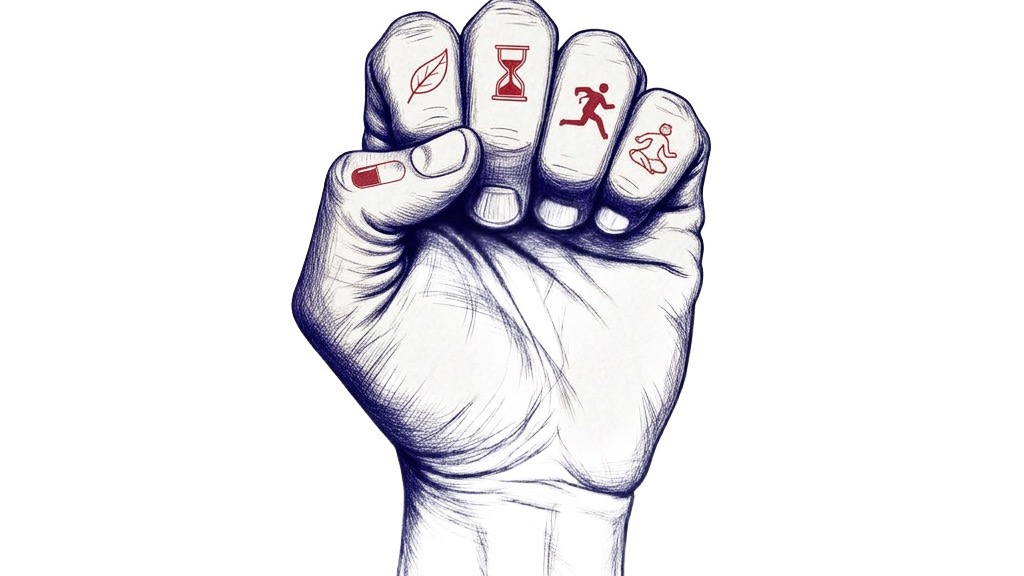
How This Fits the 5-Finger Punch Method
The post-meal walk is one of the clearest, most immediately measurable actions inside BBDO's Movement pillar. Explore the full Movement pillar, or start your reversal journey.
Get the BBDO app the day it launches.